THE ART OF RISK
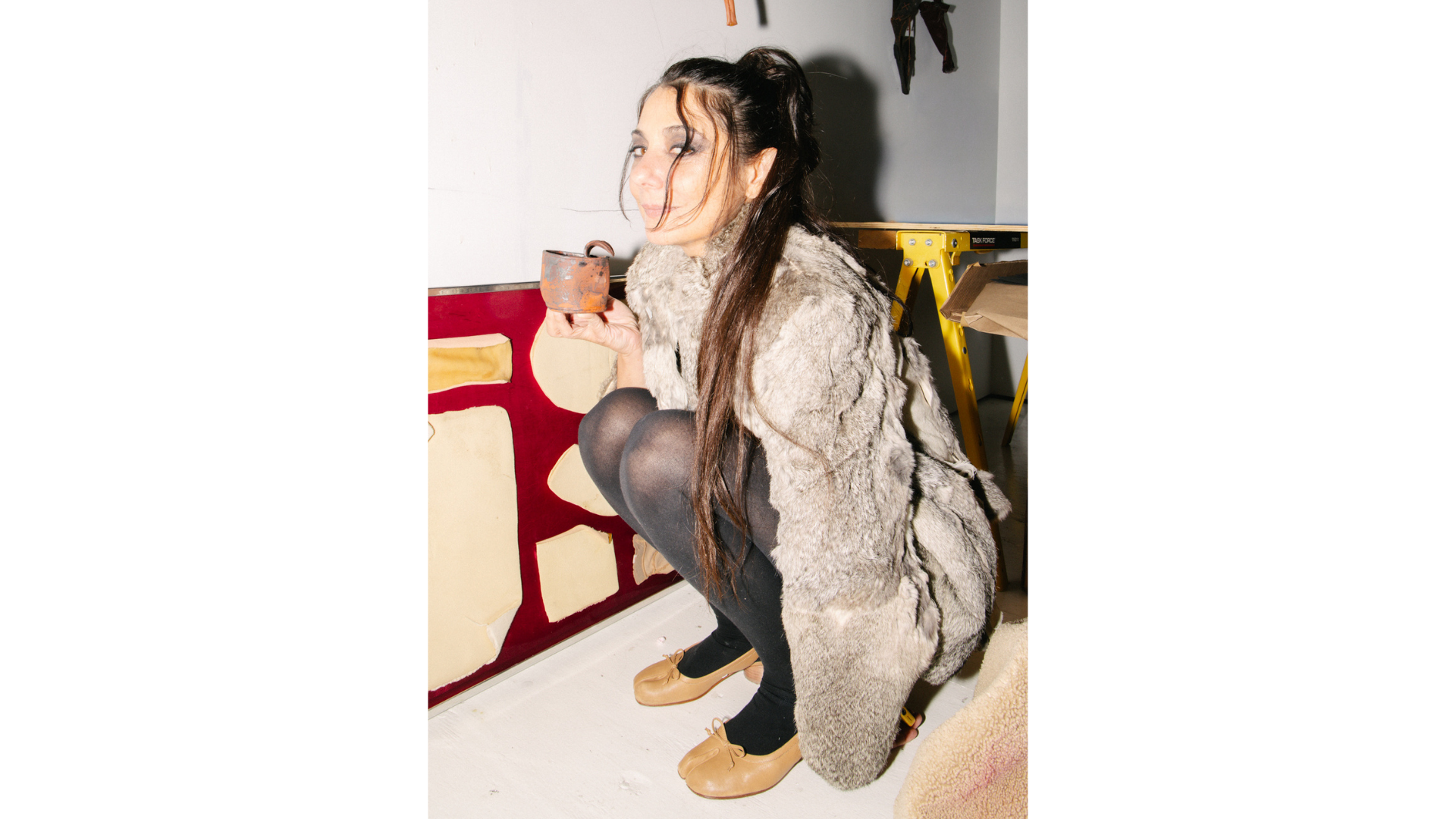
Interviewed November 2025. Photography by James Kramer. Styling by Lizzi Bougatsos and Makeup/Hair by Souhi Lee.
Lizzi Bougatsos is one of those rare artists who makes every space, whether it’s a museum stage or a forest, feel like an extension of her studio. An elusive New York-born artist who creates entirely uncontainable work, her practice grows from lineage, labor, and the belief that nothing—not a sculpture or a moment—can truly be owned. As the frontwoman of the band Gang Gang Dance and half of the duo I.U.D., Lizzi has been an iconic figure in NYC’s experimental scene.She treats her performances as a living, breathing exchange with the audience and the space. Sitting on the floor of her NYC studio, Lizzi reflects on creative collaborations, her relationship with freedom and fire, and makes it known that brunch is out.
3: From MoMA to punk basement scenes, how does your performance change based on the space that you perform in, or does it change at all?
L: I performed at MoMA for this film, and I treated the stage like my studio. It looked like an apartment when I showed up. My drums laid out, my sticks, and my notes. Sometimes I’d take off clothes, just so I could move better. That was a different setting than when I did the John Cage event at MoMA because I was melting an ice cube with my hand for four minutes and 33 seconds. The surroundings really affected me because I wanted to make a symphony with my hands to guide the water melting. I treated it differently because I wanted it to focus on the movement.
When I’m doing a more punk DIY venue, it’s kind of like I bring my whole apartment to the stage. I hang a cloth I got from Trinidad, pins of Haile Selassie as a child, I just go for it. I place my equipment in certain ways, kind of like a feng shui thing. I tend to reference Keith Moon or the Grateful Dead, how they had all those tongs.
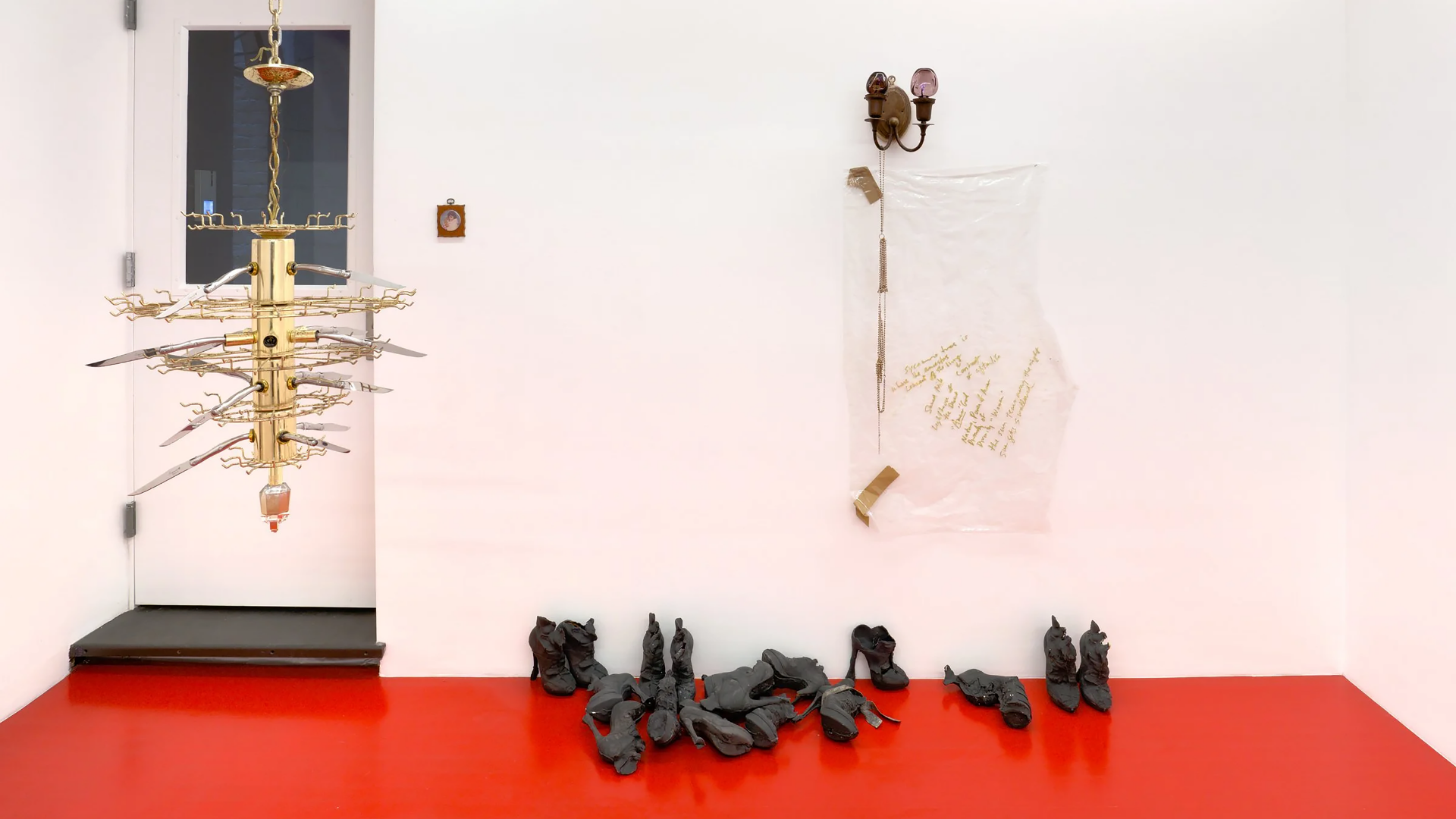
Exhibition view, Idolize the Burn, an Ode to Performance.
3: Your duo show with Lonnie Holley, perfume campaigns with Chloë Sevigny or performing with Rita Ackermann, how do you approach collaboration?
L: Well, they’re all specific. With Angelblood, we were just really inspired by each other. One time we performed in Switzerland, they had a pig roast, and we decorated the table with the food and made all these sculptures on the table. We ended up on top of the table in a crucifix position, and [Rita’s] dress caught on fire during that performance. She ended up okay. Those collaborations were fueled by being inspired by each other and surrendering. When you surrender to somebody you trust, the energy flows. That’s how you make something powerful.
With Lonnie, it was based on the title of the exhibition, Never the Same Song, and that was about how we improvise. He writes his songs at dinner before he gets on stage.
3: Yeah, that’s what his set list in Sheboygan was. He said, that this was the last and first time he'd perform the songs.
L: I didn’t know that was the case, until I invited him to record when I was doing the John Cage project at MoMA. Collaboration with Chloë is always a two-shot deal. When I make pieces, I run them by her. For example, I did an ice sculpture for her wedding, but it was very much a collaboration. She wanted the two swans, which have been a theme in my work. I put the chains on it with a lock, chains of love. And it was performative in a way because that’s how I address my ice sculptures. I see them as performances because you can’t own them. You can’t control them. You can own a document of it now, and that becomes a thing with capitalism and self-promotion.
3: And your work with plants and trees?
L: I see that as the same thing. They're both non-permanent. They grow into their own.
3: Technically, you could buy it, but it’s not yours, right?
L: Exactly. You don’t own it. That goes for people, too. You can’t really own people. You have to let them be free. That's what I like to live by as I like to live free myself.
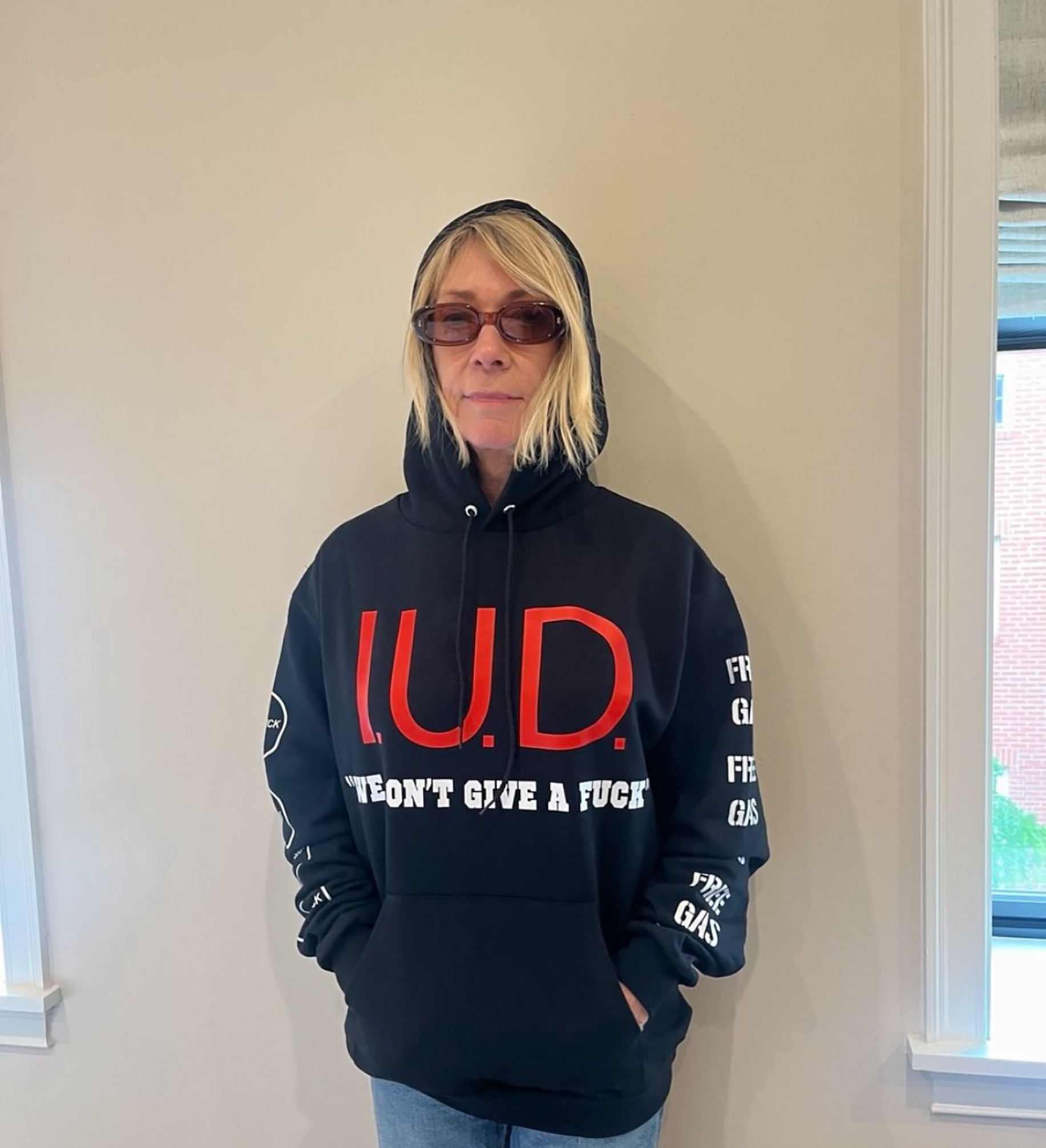
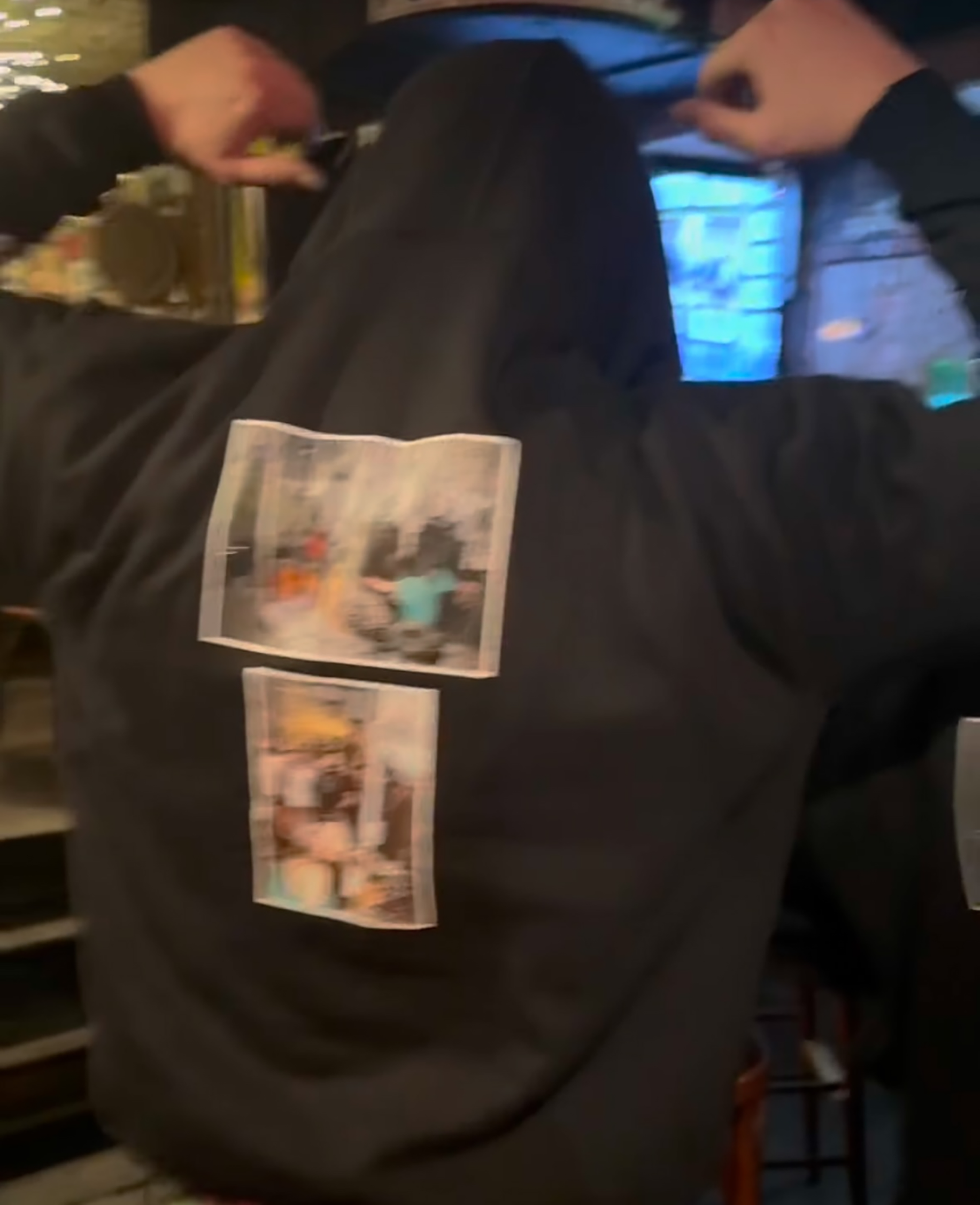
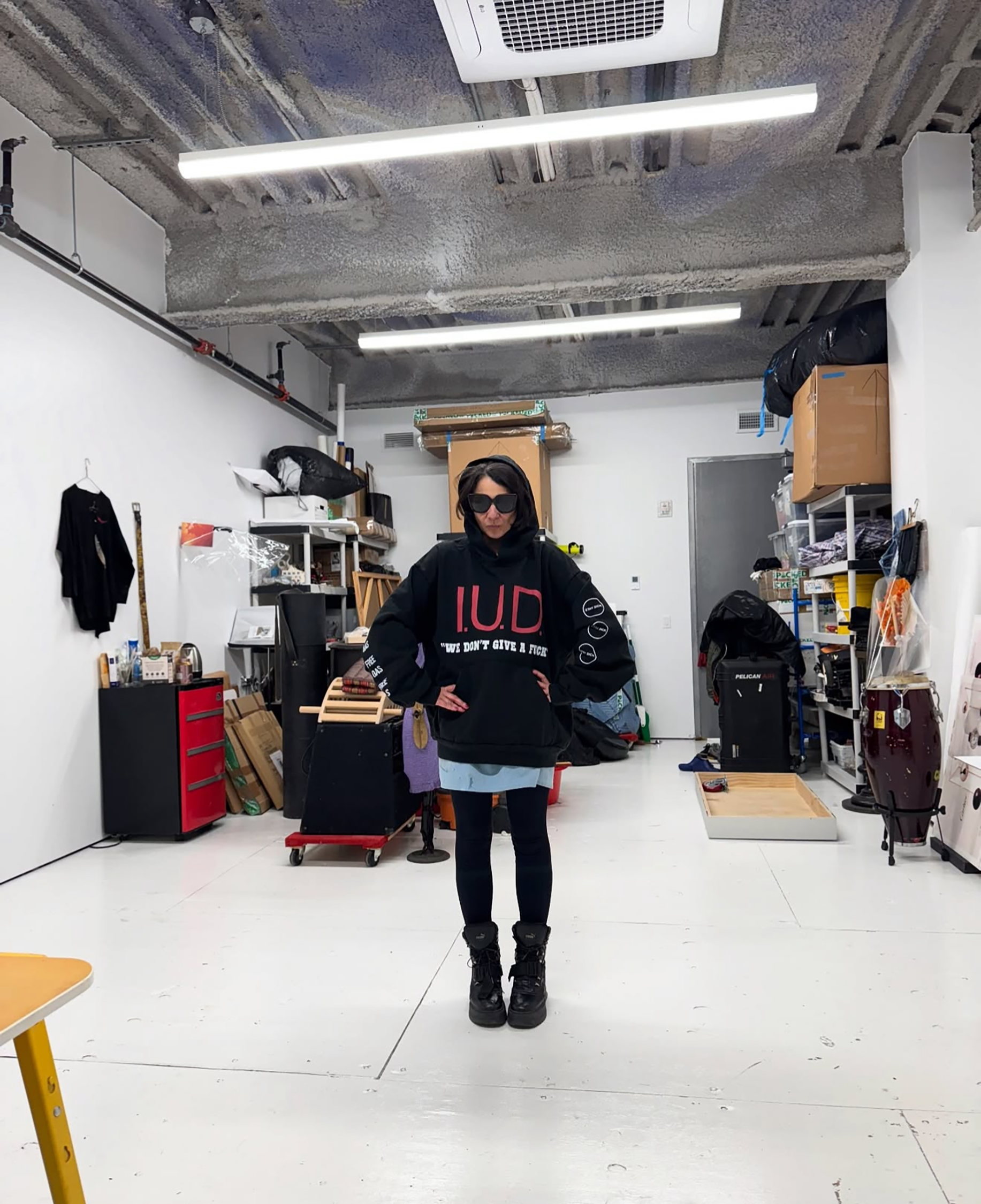
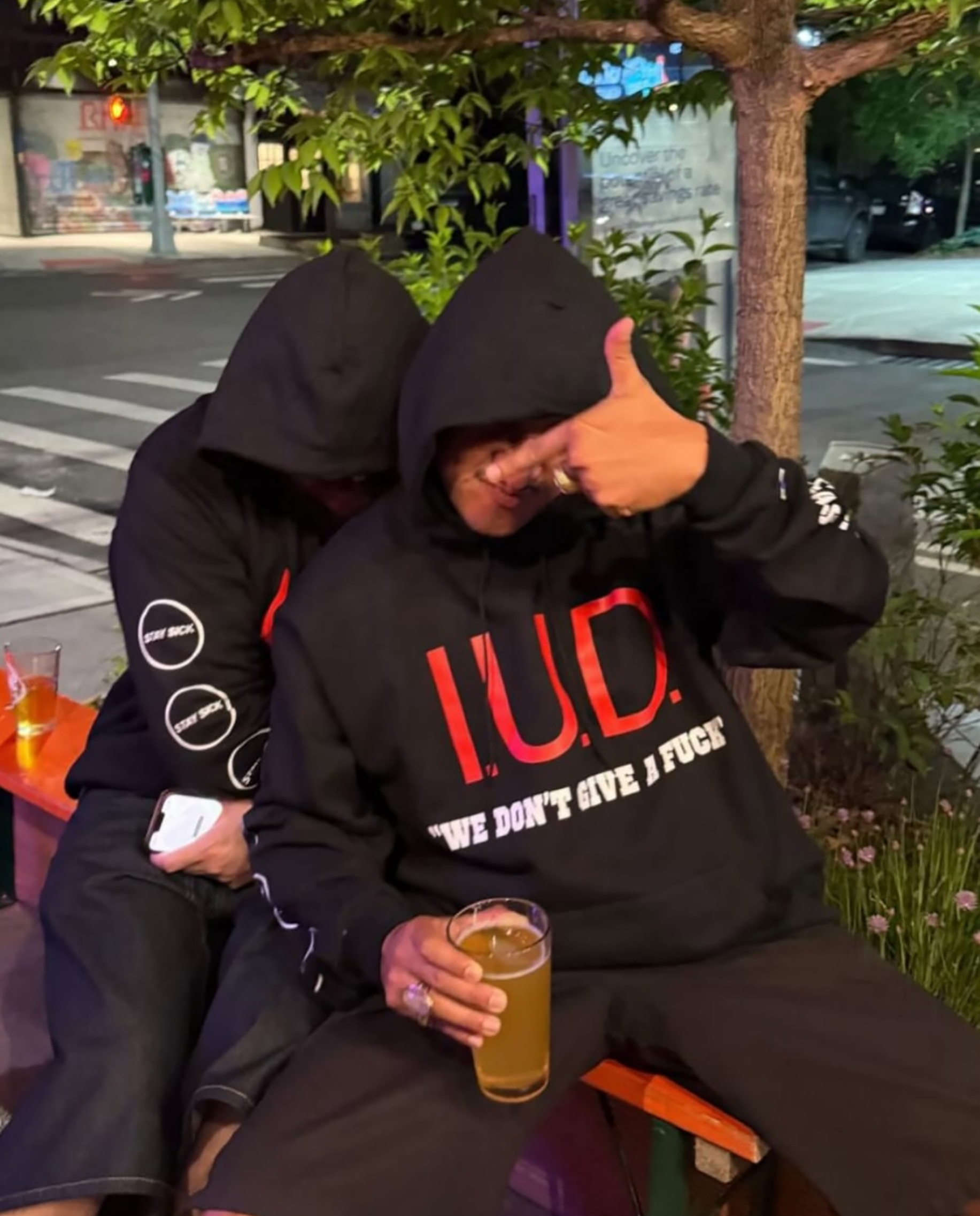
Lizzi and friends wear Letskilluncle x I.U.D. merchandise.
3: We were looking at Work Habits, your show at James Fuentes. What is your relationship with labor as an artist?
L: Well, my family trade is cobblers, my whole dad’s side. My grandfather on my mom’s side was dark-skinned, and he felt he had to fit in with the fair-faced people, so he became an insurance salesman. He was very spiritual and would do reincarnation paintings. Labor is kind of in my blood.
Work Habits was based on this nun in Hollywood. She was the first nun to kiss Elvis on screen. She left Hollywood and started her own convent on Long Island for female nuns only. I called that piece The King’s Virgin. She was a humanitarian who gave it all up to grow vegetables and build homes for these nuns who devoted their lives to God. It was brilliant. My mom went to her book launch and brought me the book, and it kind of inspired the whole thing because it’s the way I see my work.
I remember Patti Smith back in the day, when I was inspired by her. I used to go to all the shows, Christmas, New Year’s, and then I met her, which was cool. She took me out to New Year’s Brunch. Not brunch. It wasn’t brunch. It was a New Year’s Day celebration meal. We hate brunch.
Read more about Lizzi Bougatsos in Triple Issue 3.